

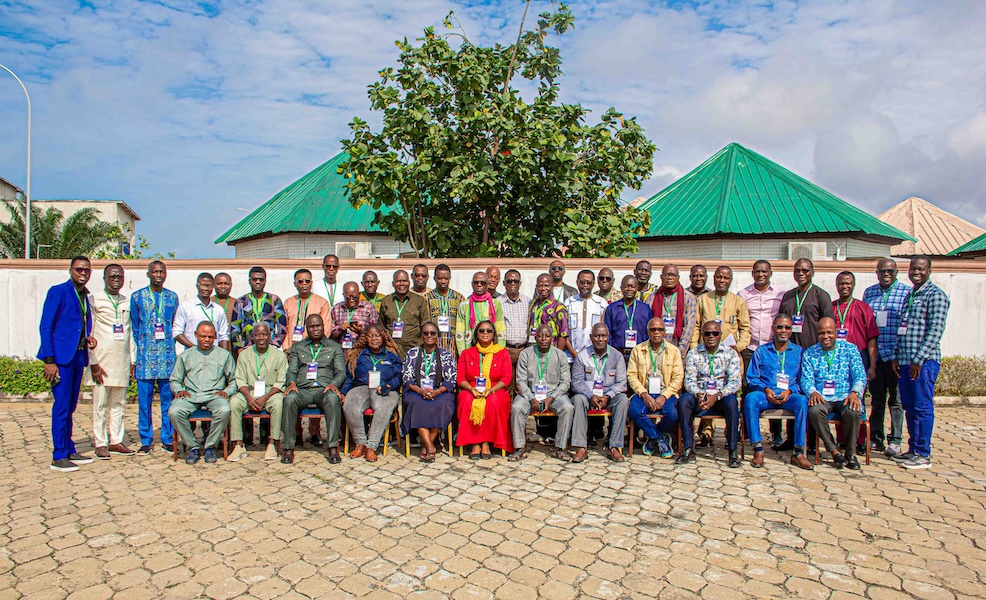
OBT Consultants Conference, Cotonou
The Challenge of Oral Translation of Biblical Poetry: Scriptura’s Approach to the Psalms
Overview
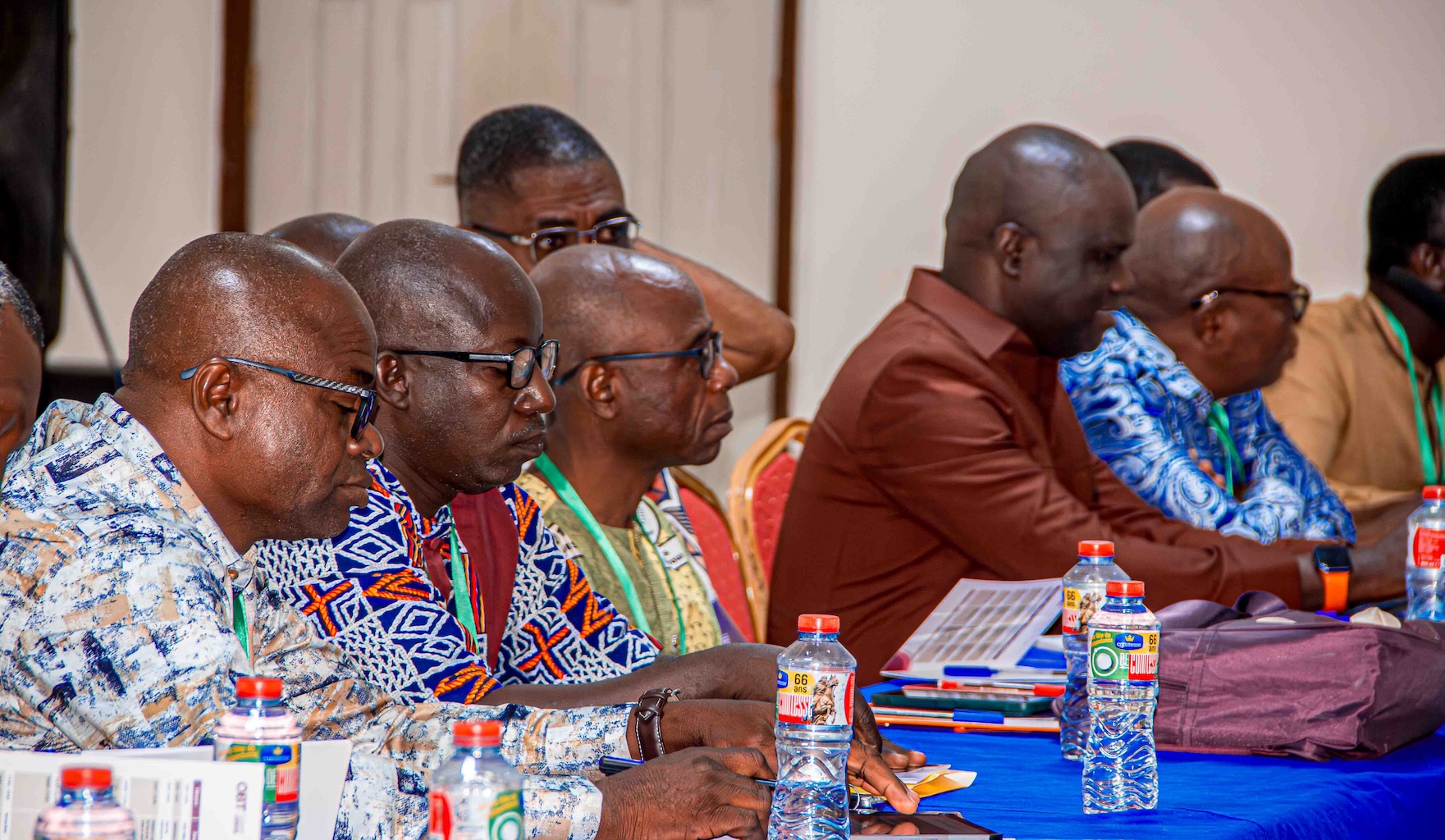
From August 10–13, 2026, Oral Bible Translation (OBT) consultants from across French-speaking Africa gathered in Cotonou, Benin, at the Hôtel Le Privilège for their regional conference. Scriptura was invited to present on one of the hardest problems these consultants face: how to translate biblical poetry orally without losing what makes it poetry.
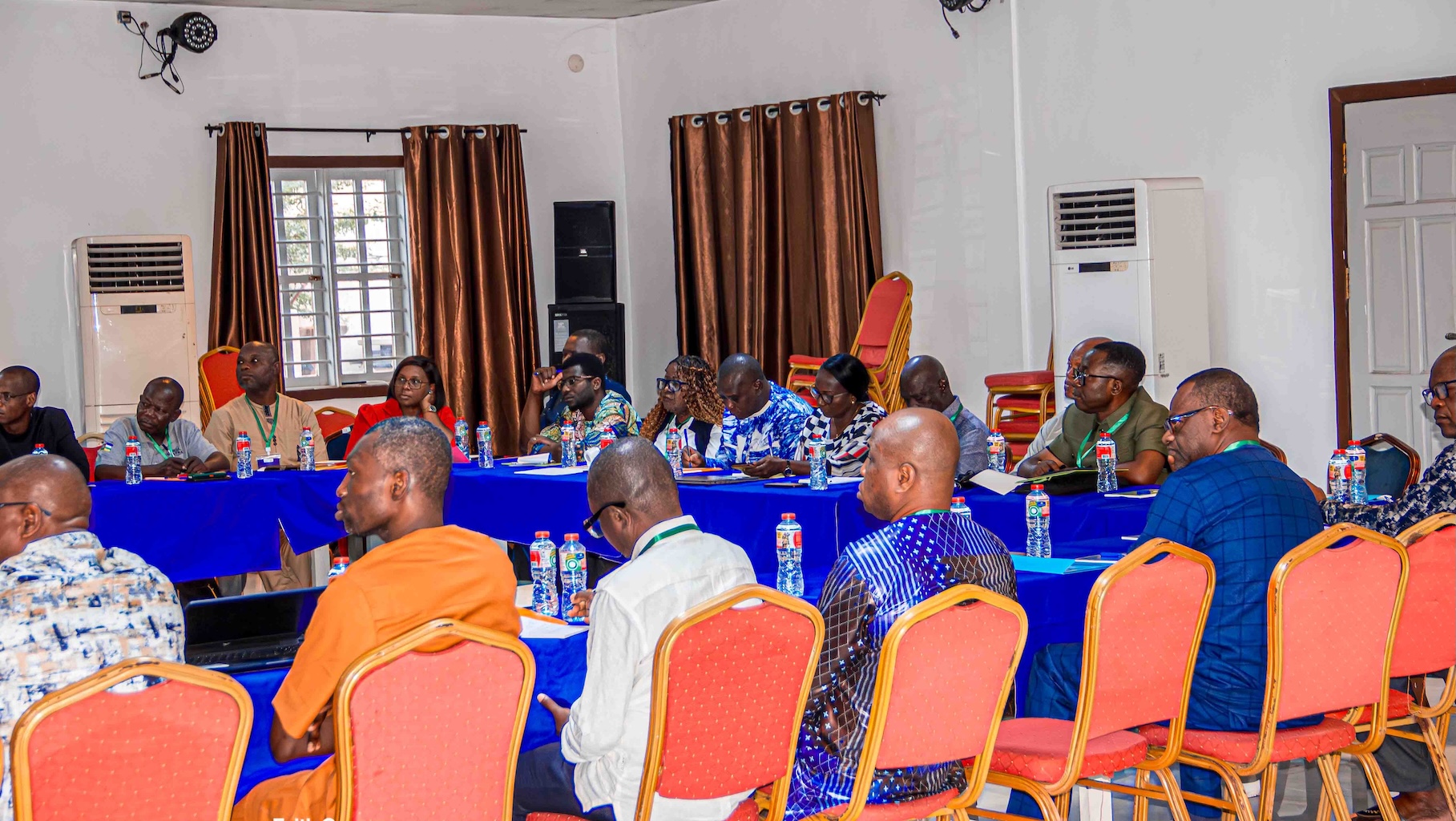
Bio Athanase Yanto led the session on Wednesday, August 12, from 4:00 to 5:30 p.m., before an audience of about fifty consultants. For many of them, it was a first look at resources built specifically for translating the Psalms — and the discussion that followed made plain how much those resources are needed.
What We Presented
Scriptura’s work rests on three commitments: linguistic accuracy, poetic precision, and emotional precision. The presentation walked consultants through how those commitments turn into tools they can use.
Psalms: Layer by Layer
Scriptura’s exegesis team studies each psalm in 11 layers of analysis, grouped into five areas: grammar, semantics, context, discourse, and poetics. Two of these matter most for oral translation:
Discourse
Who the participants are, what each one is really doing with their words (speech acts), and what they and the original audience feel. A walk-through of Psalm 118 showed its refrain of thanksgiving, testimony of salvation, and celebration mapped layer by layer.
Poetics
The poetic structure, which the presenter called the single most important element for oral translation. Following it keeps the translator moving with the psalm’s shifts in tone, speaker, and emotion. It also gives singers, sculptors, and painters a clear shape to build on.
Translation and Performance Notes
Using Psalm 88 as the example, the presentation showed how Translation and Performance Notes (TPNs) speak in the formats and terms translators already know. They take on real translation problems directly — when to expand a phrase, how to handle a Hebrew verb, and what to do with a term like “Sheol” that has no equivalent in the target language.
The Workshop Model
Scriptura workshops unfold in three phases:
Within the workshop itself, each psalm moves through exegesis, internalization, and recording.
Examples from the Field
Consultants saw and heard what the approach has already produced:
- Psalm 118 translated orally by the Incà team in Benin, played as audio
- Psalm 118 staged as a play
- Sculptures of Psalms 133 and 100 from the September 2025 workshop in Yaoundé, Cameroon
- A painting of Psalm 128 by a University of Dallas student, made for his final project in a Hebrew poetry course
- Psalm 150 sung in Kabyè in Kara, Togo
Theater, sculpture, painting, and song — each one a way of bringing biblical poetry to life in a local language and culture.
In Their Own Words
Two senior translation consultants spoke from experience during the discussion. Their words are translated from French.
“The Psalms were songs”
I had the grace to take part in one of their workshops, and I was personally moved by the approach. The participants composed songs, and it was wonderful. This is an innovative approach; if we adopt it, it can greatly help communities — it can even lead to revival. People don’t realize the Psalms were songs, so we only read them, and that never has the same impact as when they are sung.
The final product of that workshop was the songs. I saw how happy people were, how they danced. If it had been a psalm simply translated in writing or read aloud, I don’t think the joy would have been as great.
We don’t want to translate just for the sake of translating. What we want is accelerated impact. We want people to be changed through Bible translation — and here we see that the impact is visible and tangible.
— Justin Codjo, Bible Translation Consultant, Benin
“We found all the characteristics of the Psalms in our songs”
In 2004–2005 in Chad, when I was still a translator, we were about to begin translating the Psalms and Proverbs. We held a workshop — three weeks on the Psalms, two on Proverbs — whose goal was first to discover the poetry in our own languages. It was a great surprise to many of us. Some people say we have no poetry. We recorded traditional songs and drew out their structure and every component. We realized our African songs were not far from the Psalms: we found all the characteristics of the Psalms in our songs. On that basis we composed songs and began to translate the Psalms accurately.
That is the challenge before us. We must discover how these things live in our traditional songs. From there, we can translate biblical poetry effectively and well.
— Tchande Awakde Bayami, Bible Translation Consultant, Chad
What Participants Asked
The discussion ran long, and the questions showed consultants already thinking about how to use the approach in their own projects.
On method
How do ethnomusicology and ethnoarts relate, and can a workshop include both at once? Could translating the “unspoken” in biblical poetry — silence, pauses, gaps — make the text harder to understand?
On Africa
One consultant welcomed Psalms resources in French-speaking Africa and asked whether Scriptura has a plan for promoting biblical poetry across the continent. Another raised a possible collaboration with Faith Comes By Hearing (FCBH) to include psalms in its selections.
On African poetry
Hebrew poetry rests on rhythm and French poetry on rhyme — so what is the foundation of poetry in African languages? Without a clear sense of their own poetic structures, translators risk slipping into prose and losing the emotion. Participants agreed that African poetry has its own artistic techniques worth drawing out, and that local artists can help build translation tools suited to them.
What Comes Next
The clearest lesson from the conference: studying a community’s own poetic tradition first is essential to translating the Psalms well. One participant added that many current church songs are not rooted in local tradition, and that the authentic forms must be sought out in the community.
Participants called for three things:
Training for consultants and translators in the principles and quality assurance of translating biblical poetry. This was called urgent, since many consultants present had never yet worked on a poetic text.
More psalm-based music workshops to produce songs rooted in local traditions, especially in rural areas — including continuing the Beninese music projects discussed at the conference.
Videos of finished work from past workshops (songs, dances), so others can see the results. Future workshops should document their final products on video wherever possible.
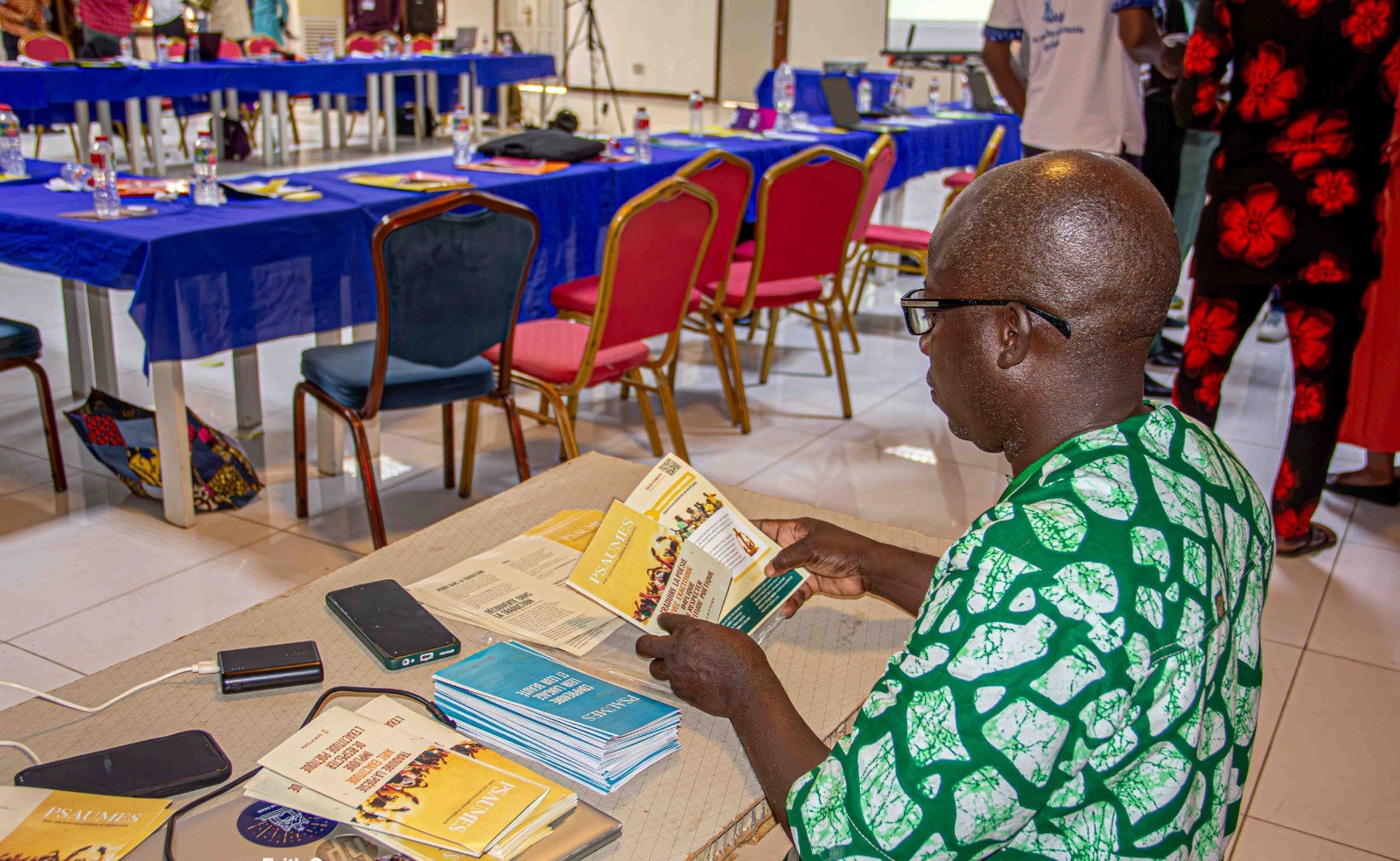
Scriptura’s resources are available free at psalms.scriptura.org, and integration with Paratext is in development. To ask about a workshop, write to workshop@scriptura.org.